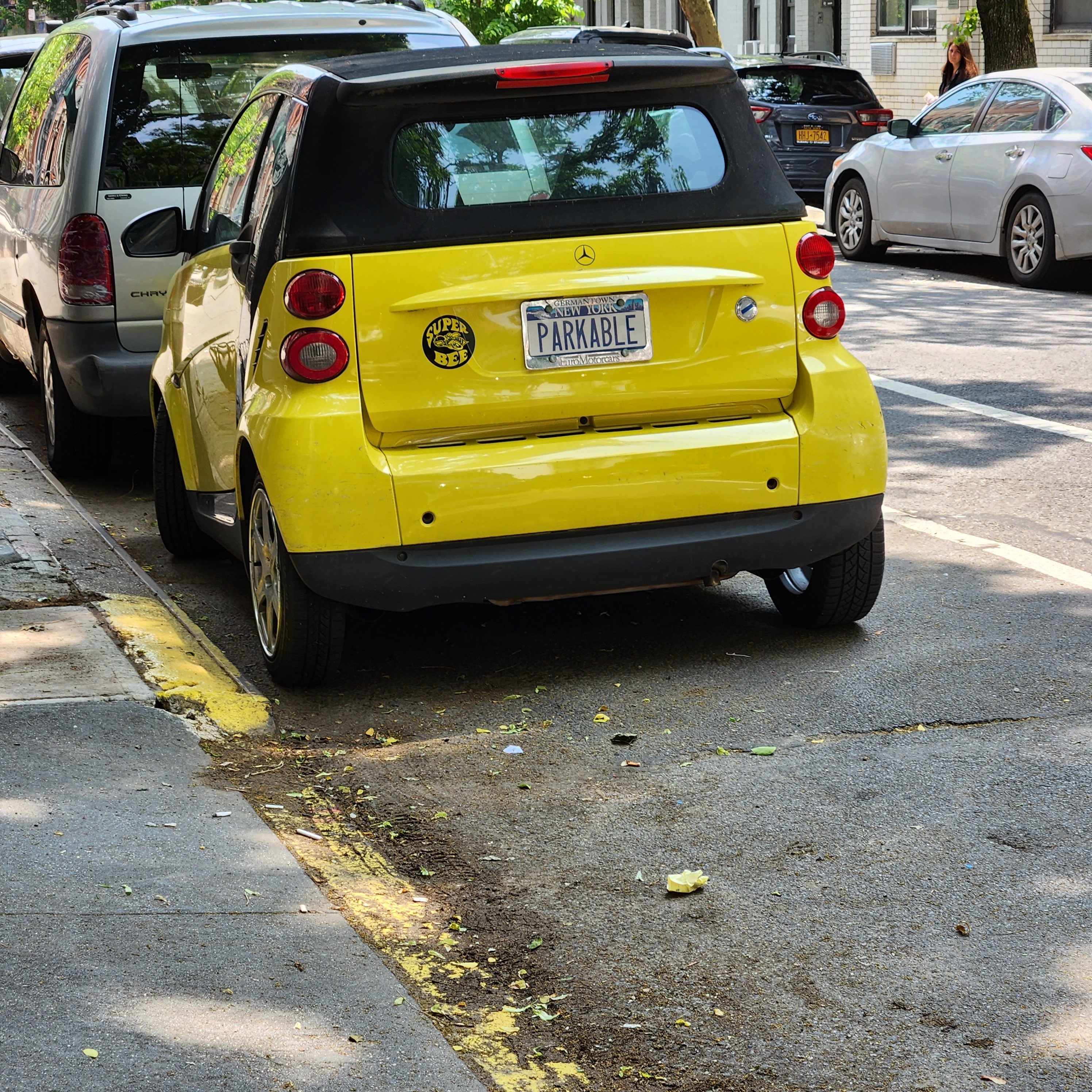
Parkable, perhaps, but not fully parked
There's more- go to https://mycity.design.blog/ & https://sidewalksuperblog.wordpress.com/

Parkable, perhaps, but not fully parked


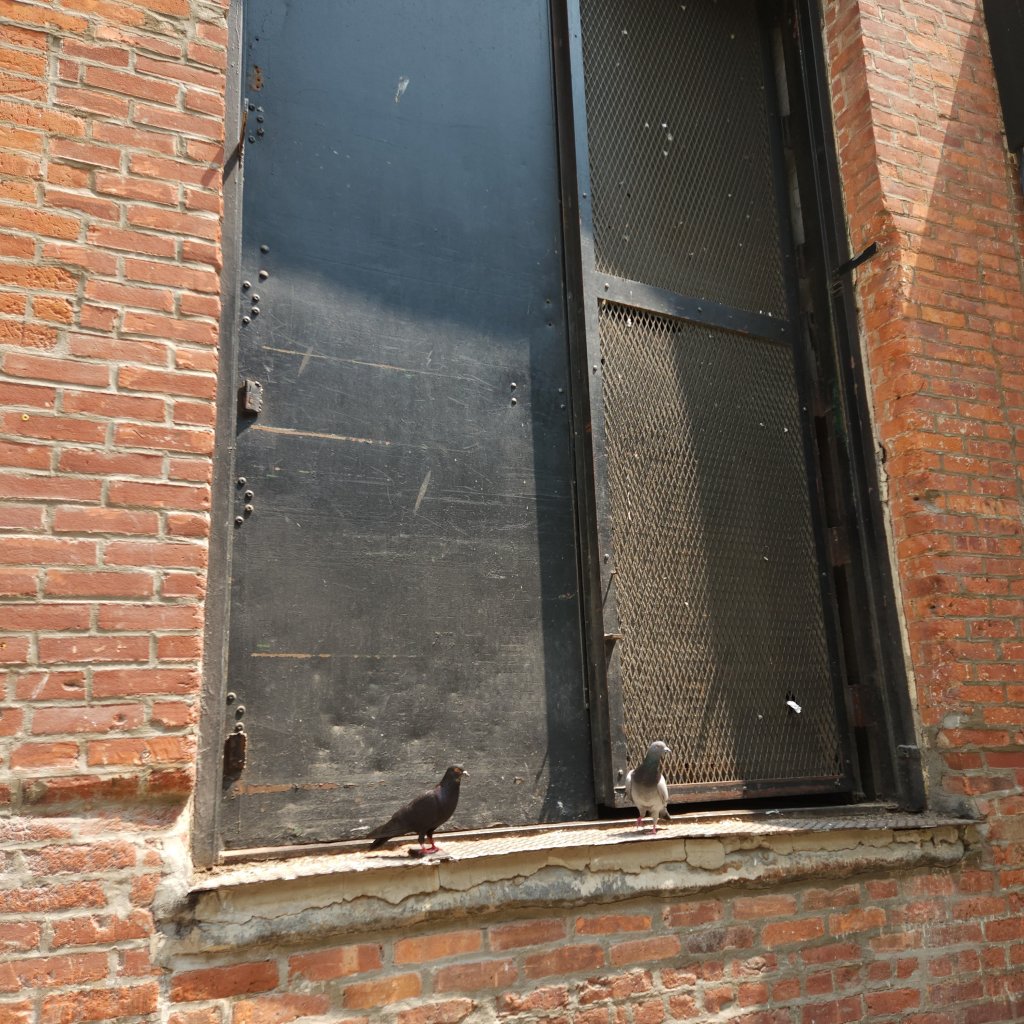
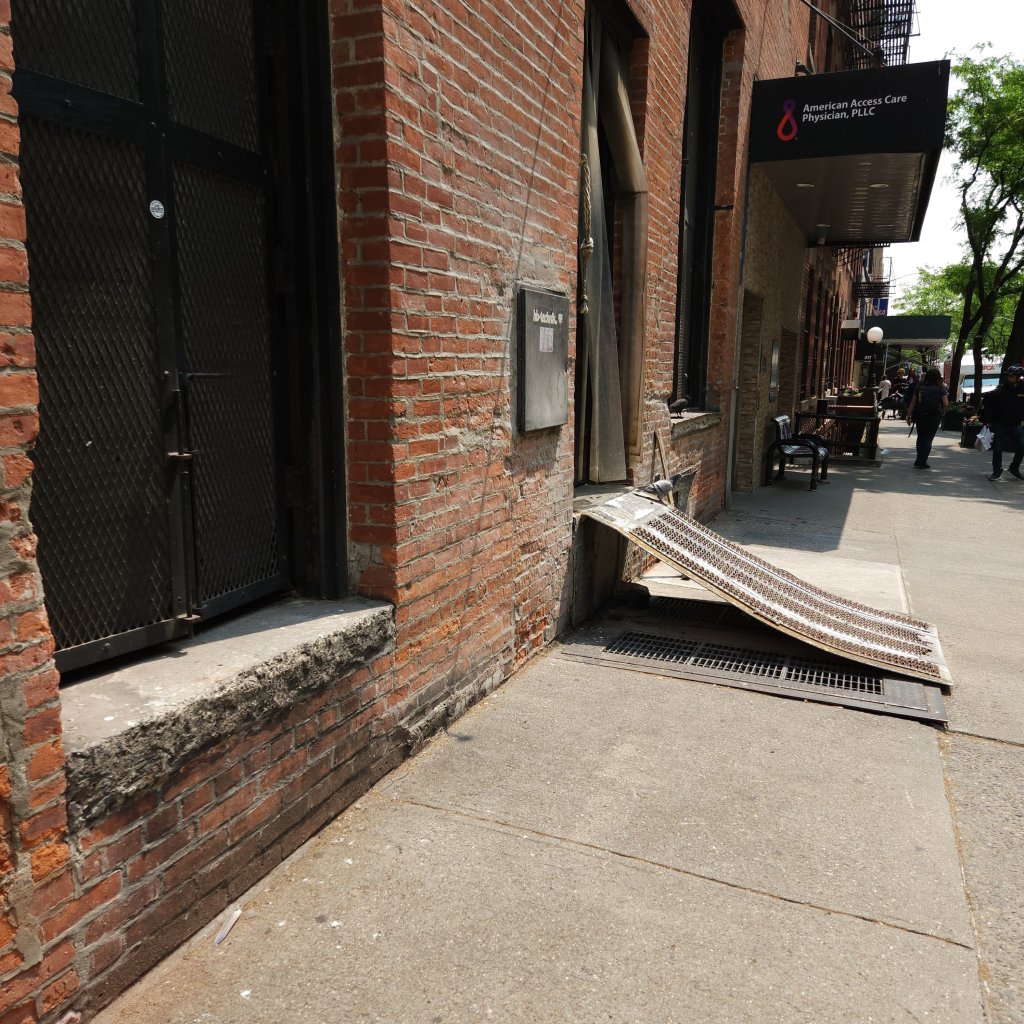
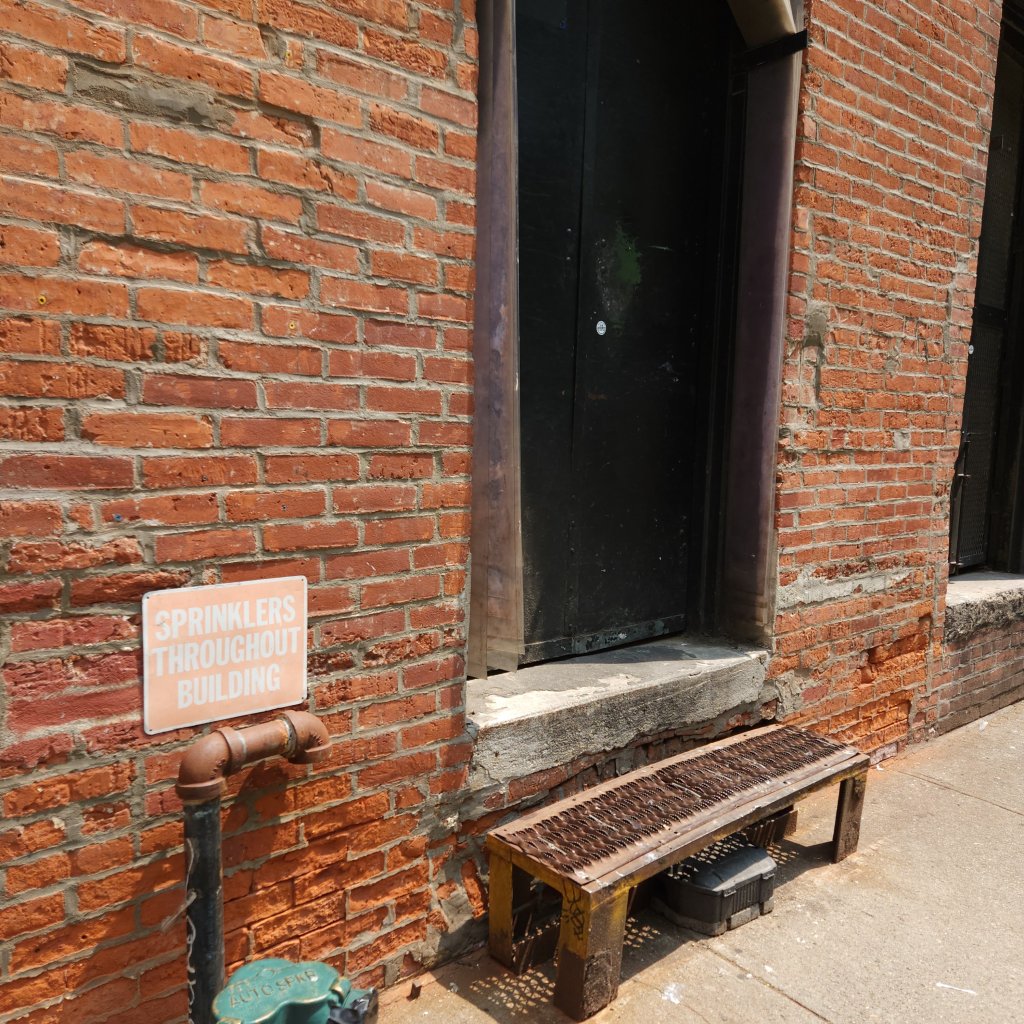
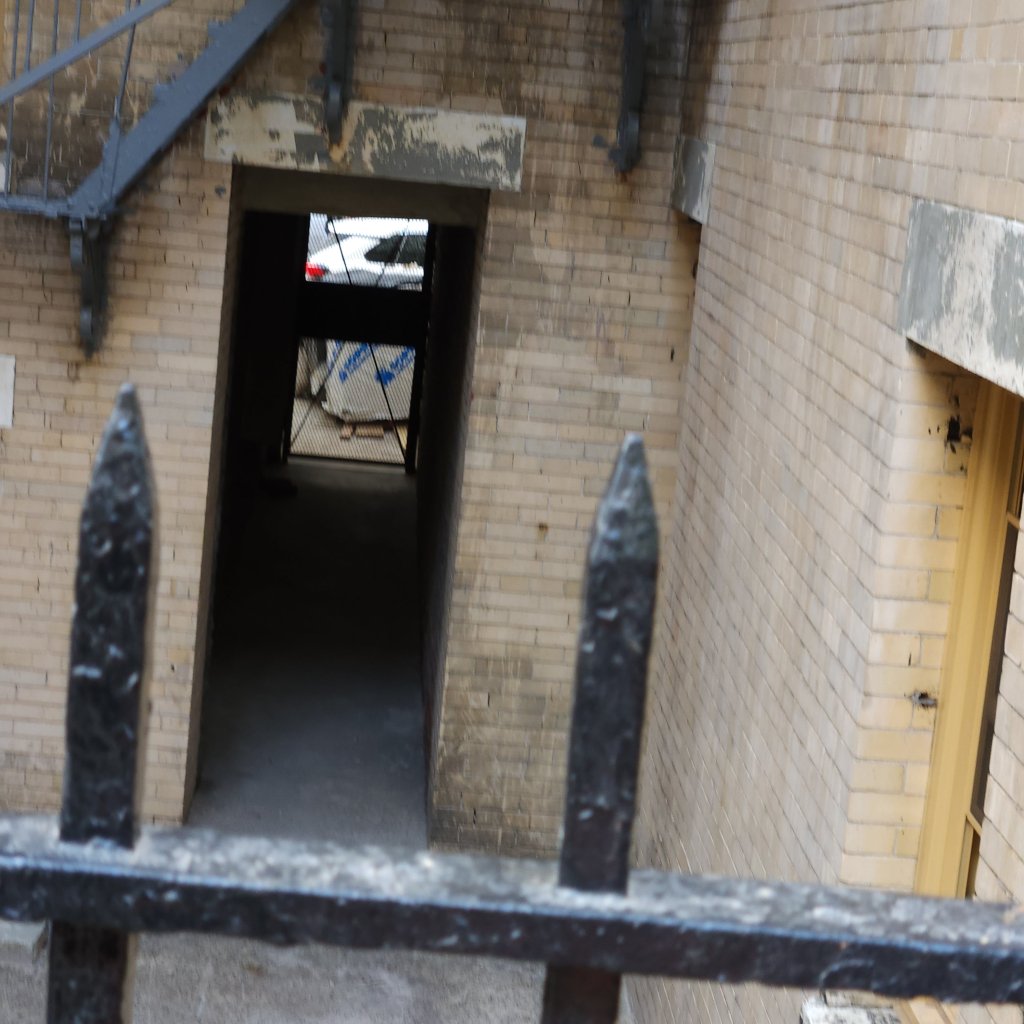
Remnants of old industrial properties are pretty rare. This one on East 91st is a sweet throwback. I never thought of the loading dock as a decorative detail before.
How do you feel about cold weather?

Cool temperatures are the walker’s best friend. That first blush of warm weather is also always such a draw. Cold or hot, not so much. And extremes are unpleasant.

Still, if it’s cold out, you can layer up. Once bundled in plenty of covering, you’re likely good to go.
Have you ever broken a bone?

Yes. I have broken the fifth metatarsal on my right foot. Not once but on two separate occasions. Both breaks caused by sidewalk malfunctions.
The city streets are full of small failures that can trip us up.
The ER doc refused to give me a boot. Despite my protestations, he sent me home on crutches.
Anyone who has had to use crutches knows the pitfalls of walking with them. I had five flights to maneuver.
These breaks were minor. I’m lucky. But I missed just being able to walk about.
How do you balance work and home life?

Sometimes progress is in standing still.
Look at how Thoreau was able to balance his work “with head or hands” as a path to improvement.
The balance between reverie and tasks that he describes is possible in our finding equilibrium at work and home.
I would call it calm.
Are you a leader or a follower?

Here, at Walk with Me, Too, I like to lead you on tours of the real estate around my city.
If you follow me on my tours, then yes, I am a leader.
As interesting and attractive as these historic artifacts might be, they lack modern amenities and luxury. They were built as tenements, and along with their landmark designation comes a prohibition to make any improvements. This brings up the question of whether conserving them is beneficial.
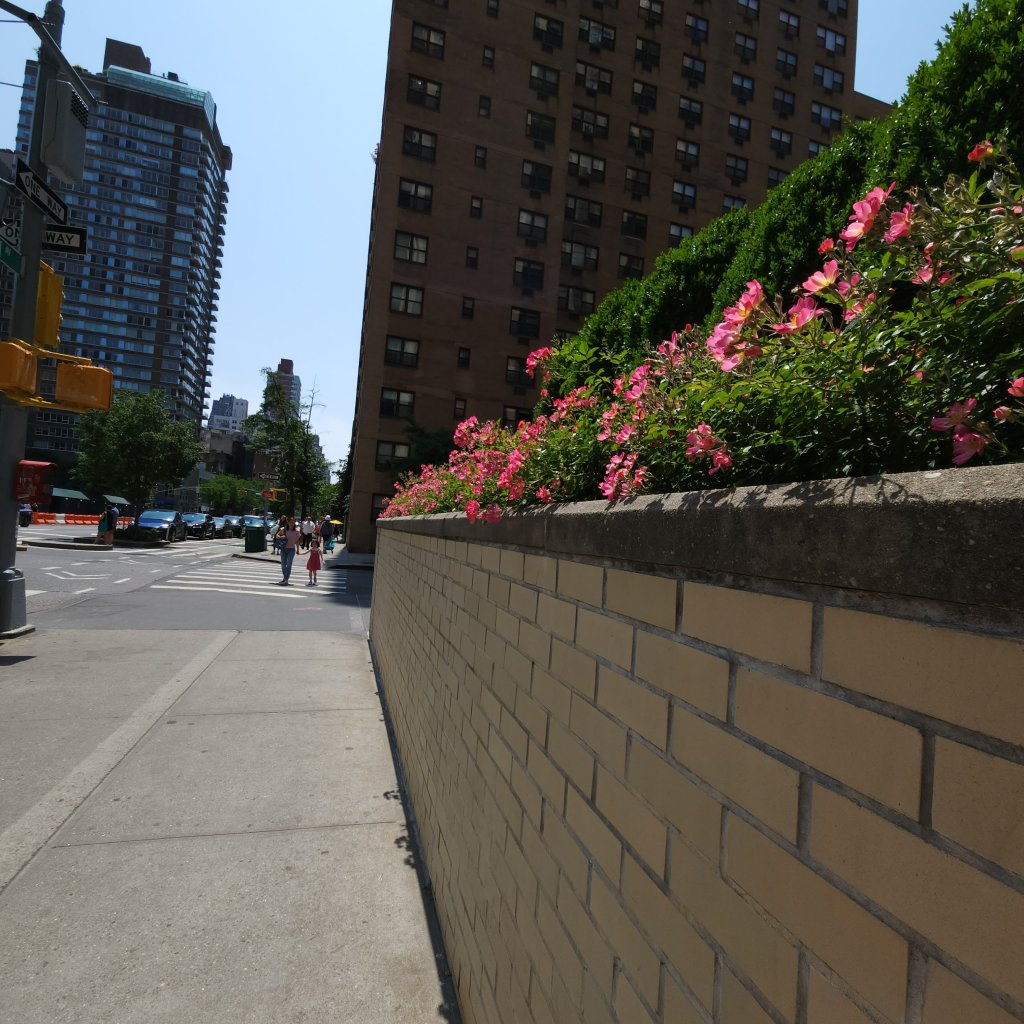
From this site and SidewalkSuperblog.wordpress.com


Old buildings hold history in their walls and hallways. They are full of memories. They can be charming reminders of how our city has changed.
Ours is a dynamic city.
Change is its only constant. Progress has brought lots of improvements in our way of living and to our style of life.
Old buildings can’t keep up with those changes and improvements.
Obviously, all of us won’t all live in modern apartments with brand new amenities.
Housing stock won’t all be replaced by newly constructed state of the art buildings.
Some of us like the quirky spaces older buildings offer us. We choose to live in walk-ups or 100 year old town houses.
Some of these residencies suit their tenants to a T. Some are less than optimum living quarters.
How do I define less than ideal apartments?
Pokey floor plans qualify. So do drafty windows. Of course, you may find these quaint.
The rationale behind landmarking old dwellings is that they are part of the historic record of our city.
Building anew wipes out the history.
So then how to preserve the past and its lessons and examples while giving everyone adequate up-to-the-minute accommodations?
On the subject or question of turning less than ideal homes into landmarks, my solution would be to take a small sample, aka one, and preserve it.
Since no changes are tolerated in property that is landmarked, let the landlord develop or improve the rest.
Modern fixtures and high-tech living are the upgrade to creaky and outdated. Maybe we all deserve that kind of change.


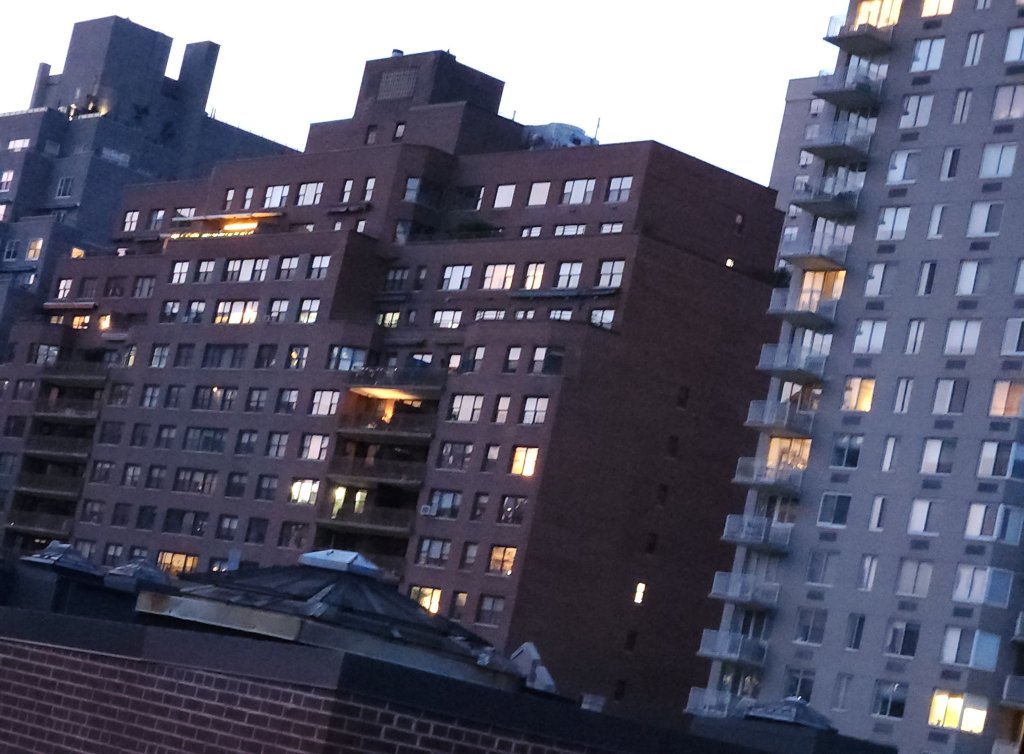
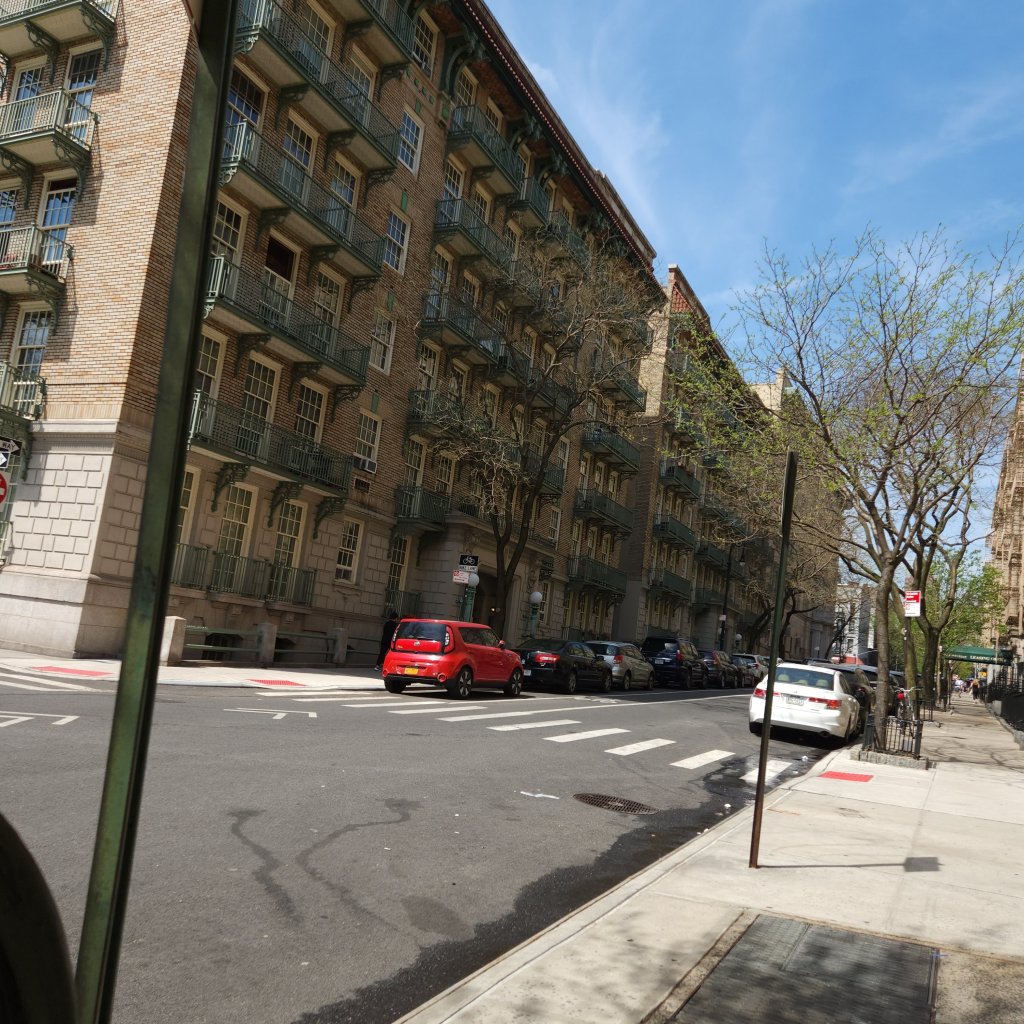
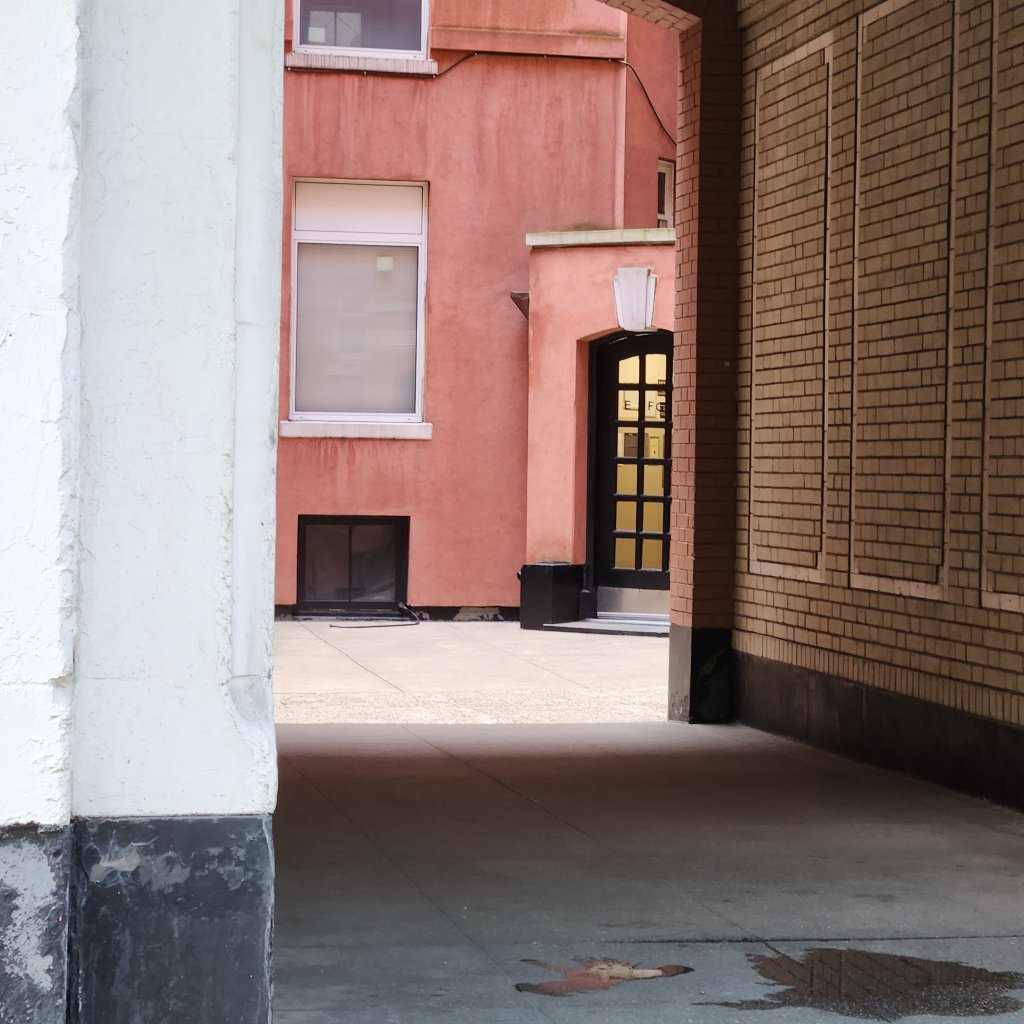
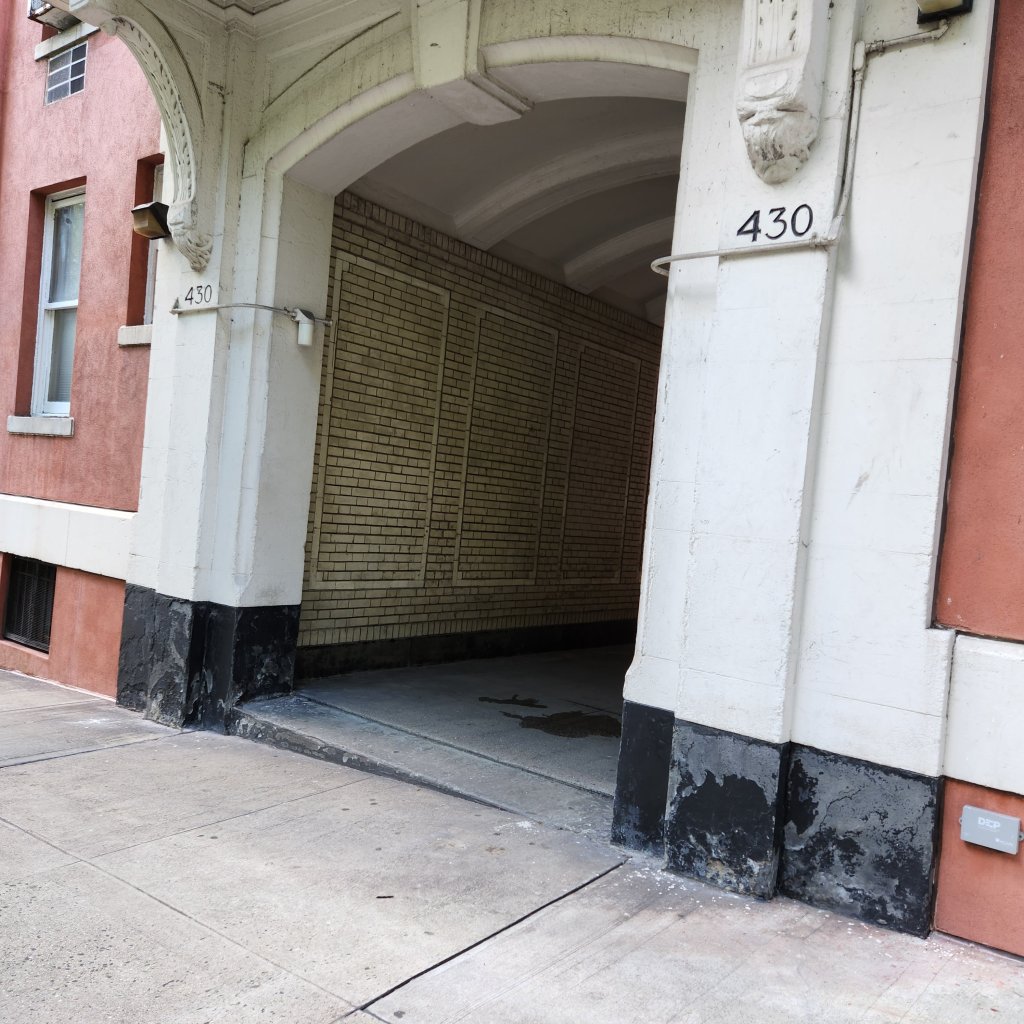
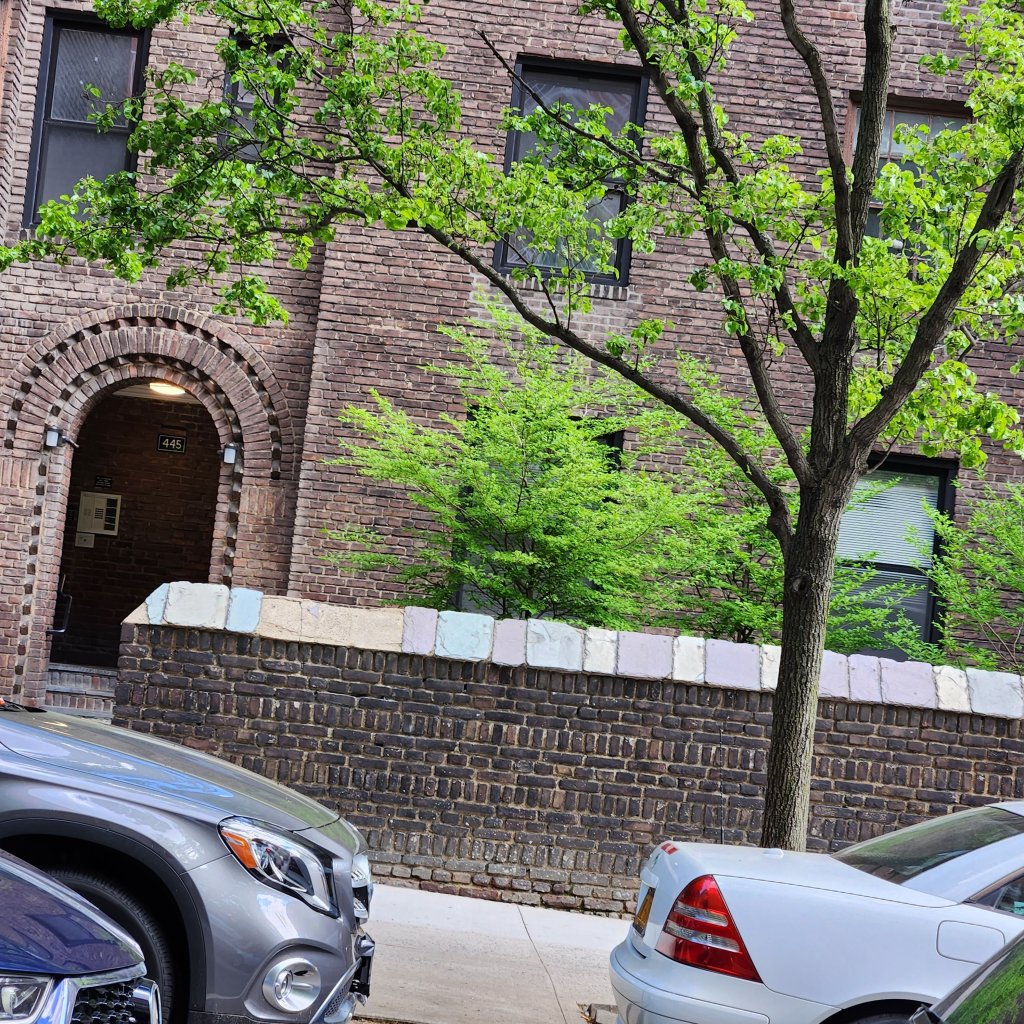
We live in a complex replete with intricate passages. Every peek looks like you’re discovering a secret maze or labyrinth.


The City and Suburban projects were built as part of the “fresh air” movement. One set of these “model tenements” is at 78/79 & York and another at 64th on 1st Avenue.


Our neighboring landmarked buildings, the Cherokee Place apartments, have been converted to coops.**

Space for windows and room to breathe were part of the design.


**As interesting and attractive as these historic artifacts might be, they lack modern amenities and luxury.
They were built as tenements, and along with their landmark designation comes a prohibition to make any improvements.
This brings up the question of whether conserving them is beneficial.
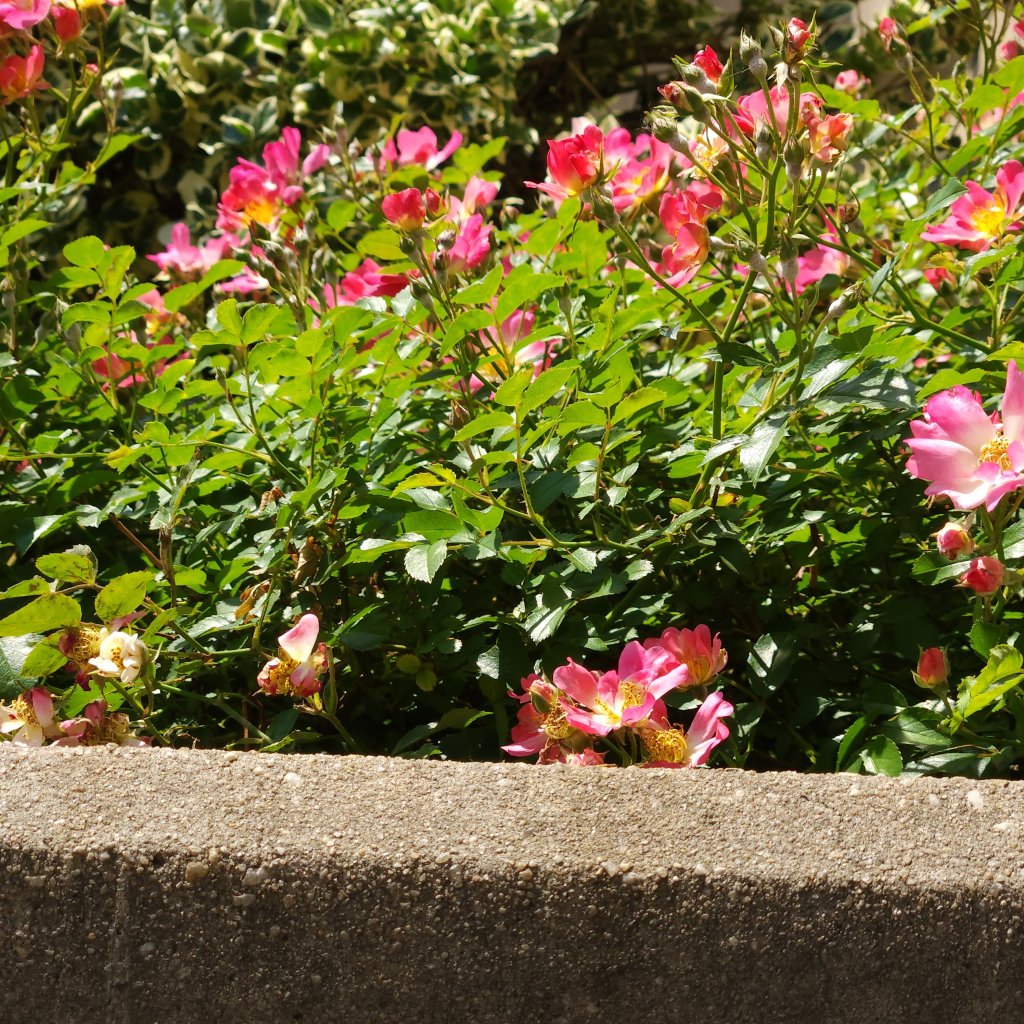
While I have explored that question before, it bears further examination. I look forward to discussing this at greater length in upcoming blog posts.


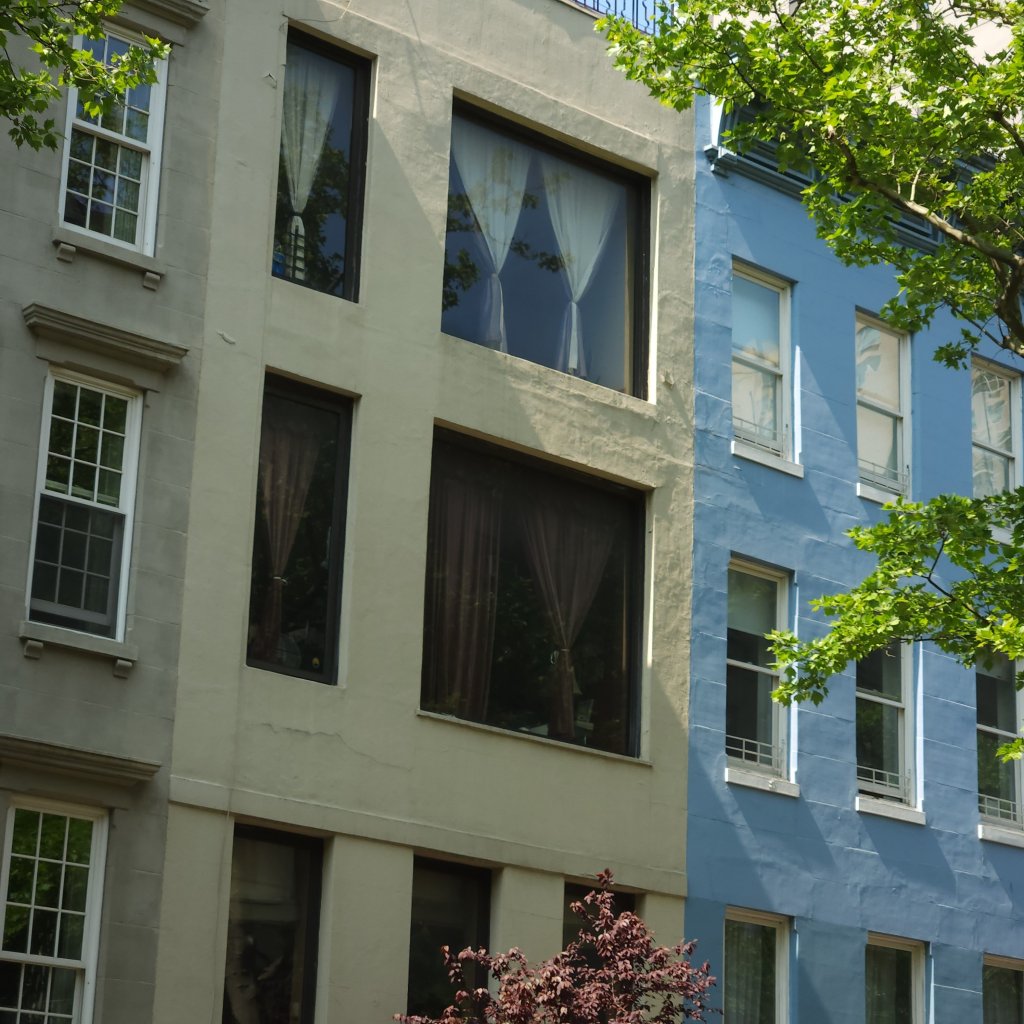
The top floor of this building (located on E76th next to a NY Sports Club) is one of those rooftop additions.
It has no relevant connection to the rest of the structure, but it looks like a box superimposed atop the fifth story.
Divergent in style from the original, it offers the tenants at the top little balconies.
Today was the first time I made any note of this building’s changed status. You, no doubt, don’t find that fact as interesting as I do.