As interesting and attractive as these historic artifacts might be, they lack modern amenities and luxury. They were built as tenements, and along with their landmark designation comes a prohibition to make any improvements. This brings up the question of whether conserving them is beneficial.
From this site and SidewalkSuperblog.wordpress.com
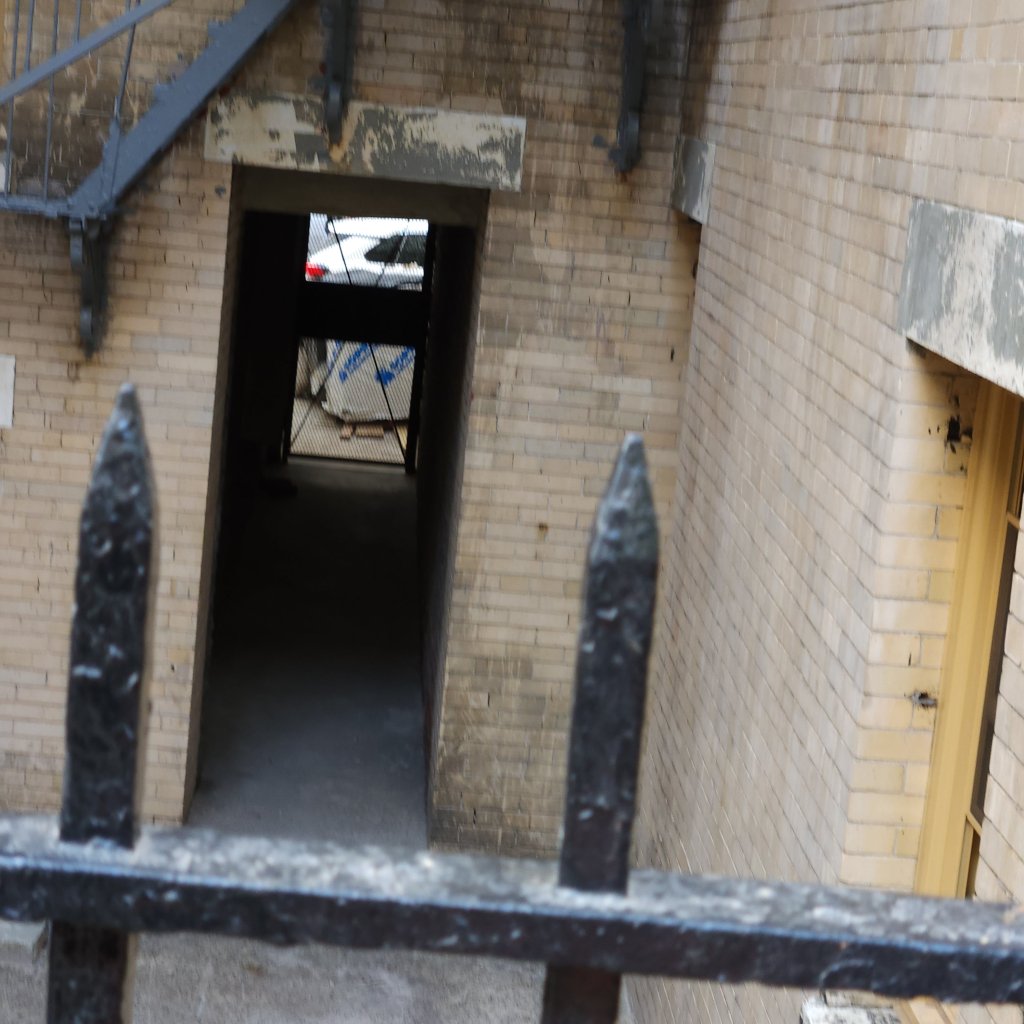
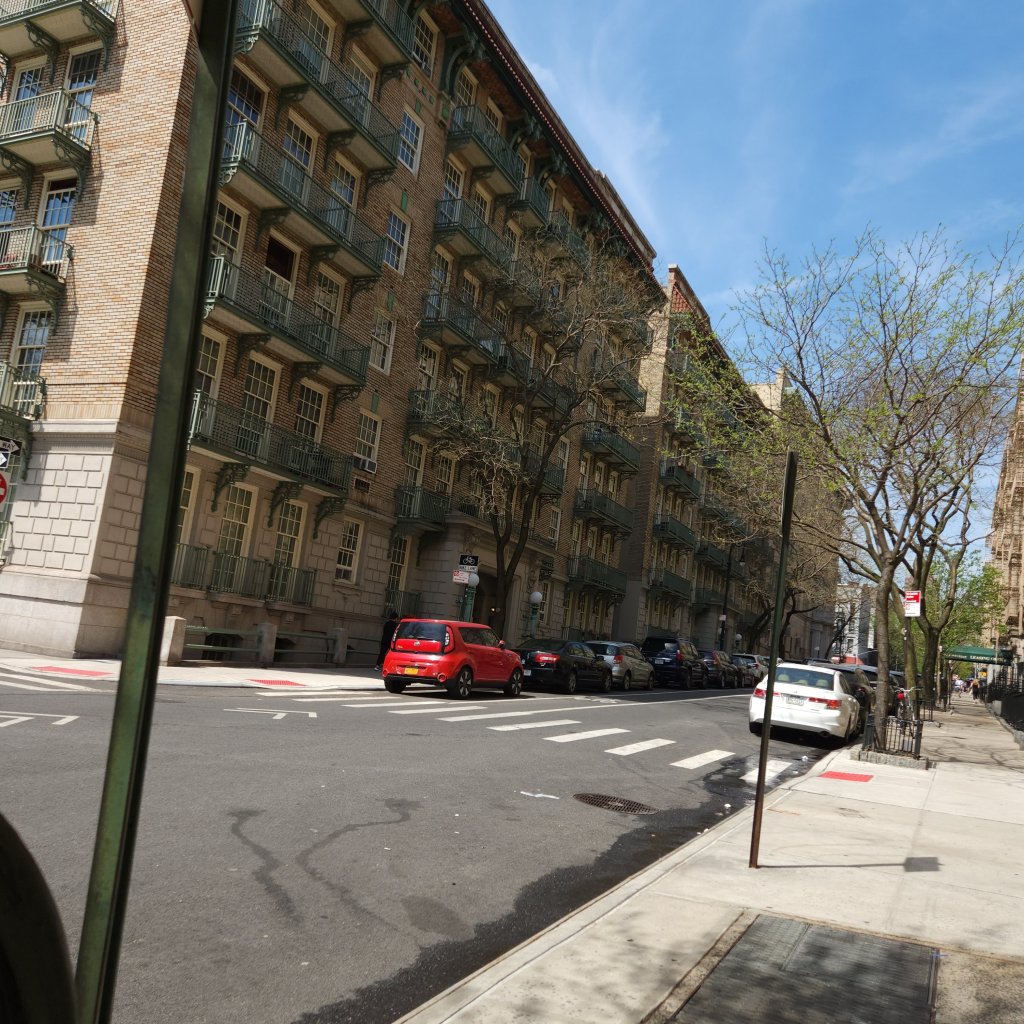
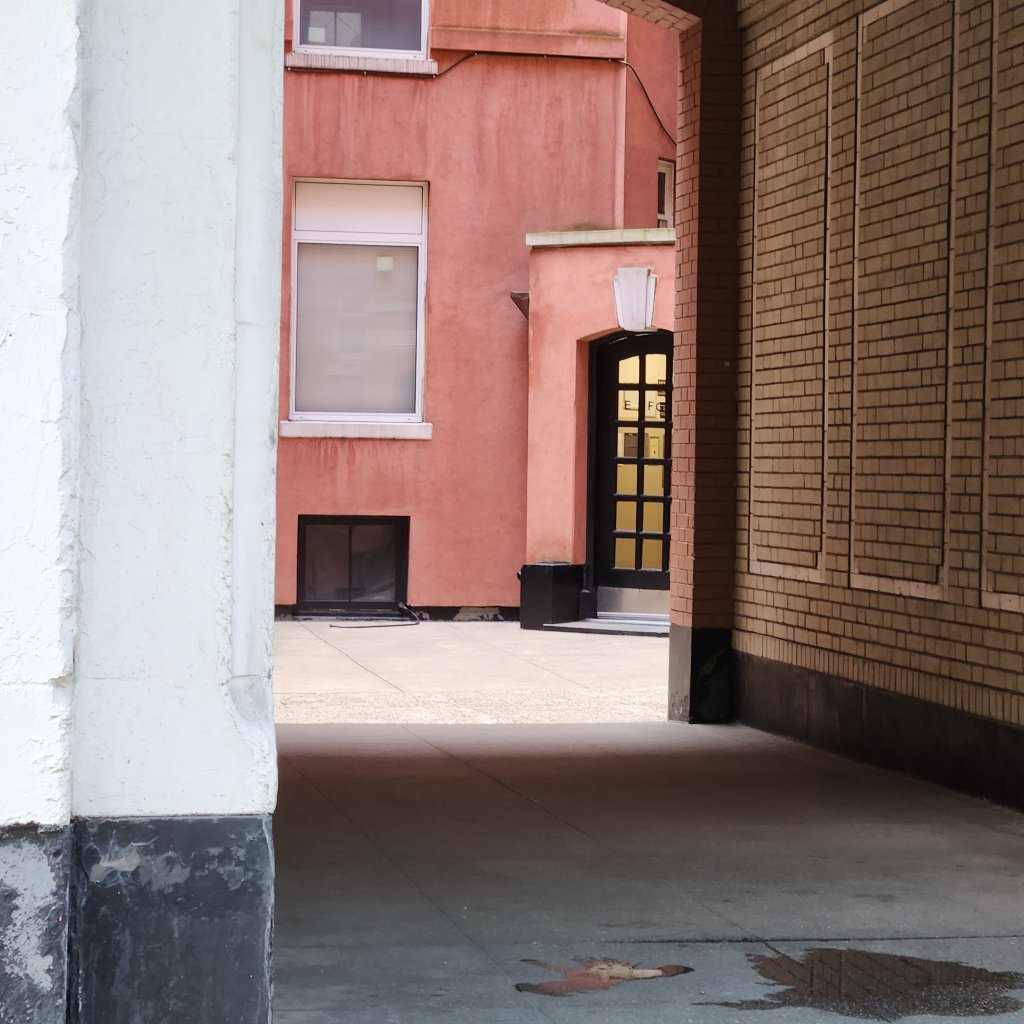
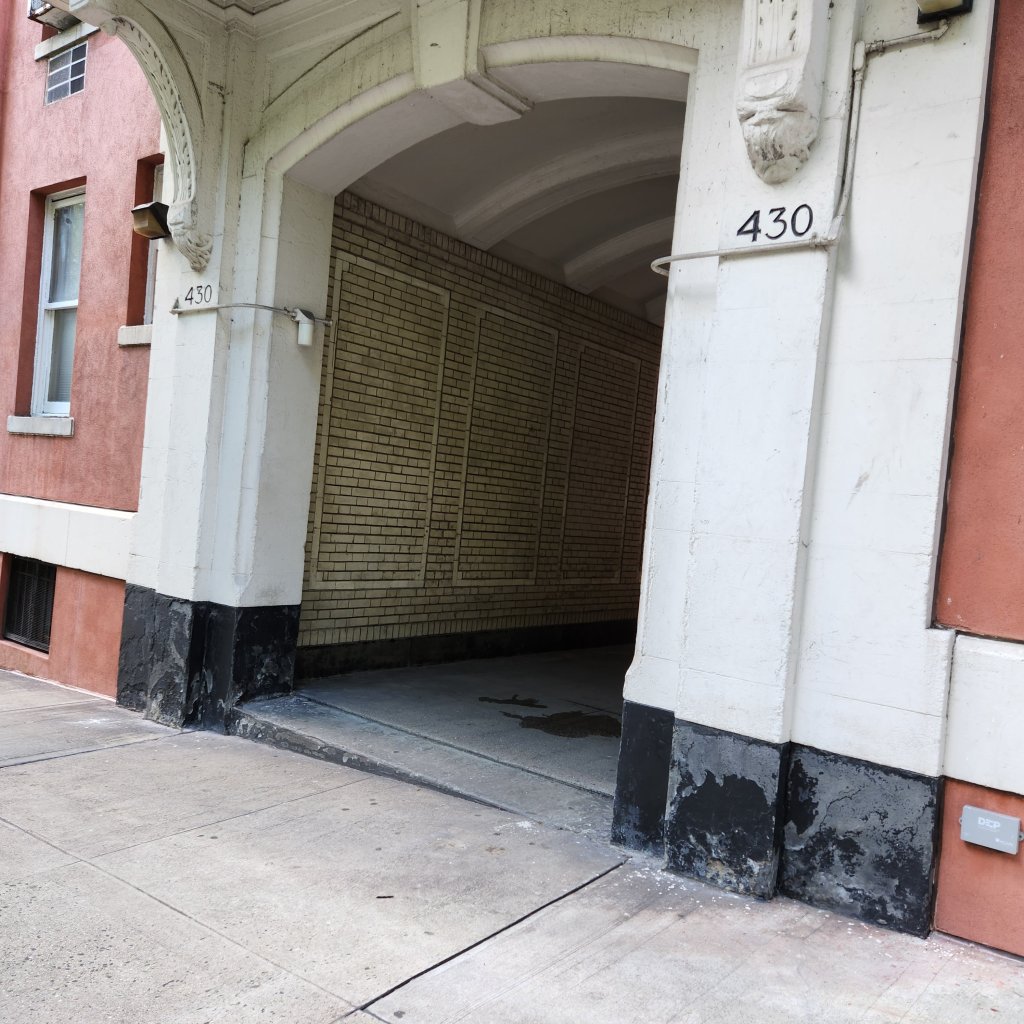
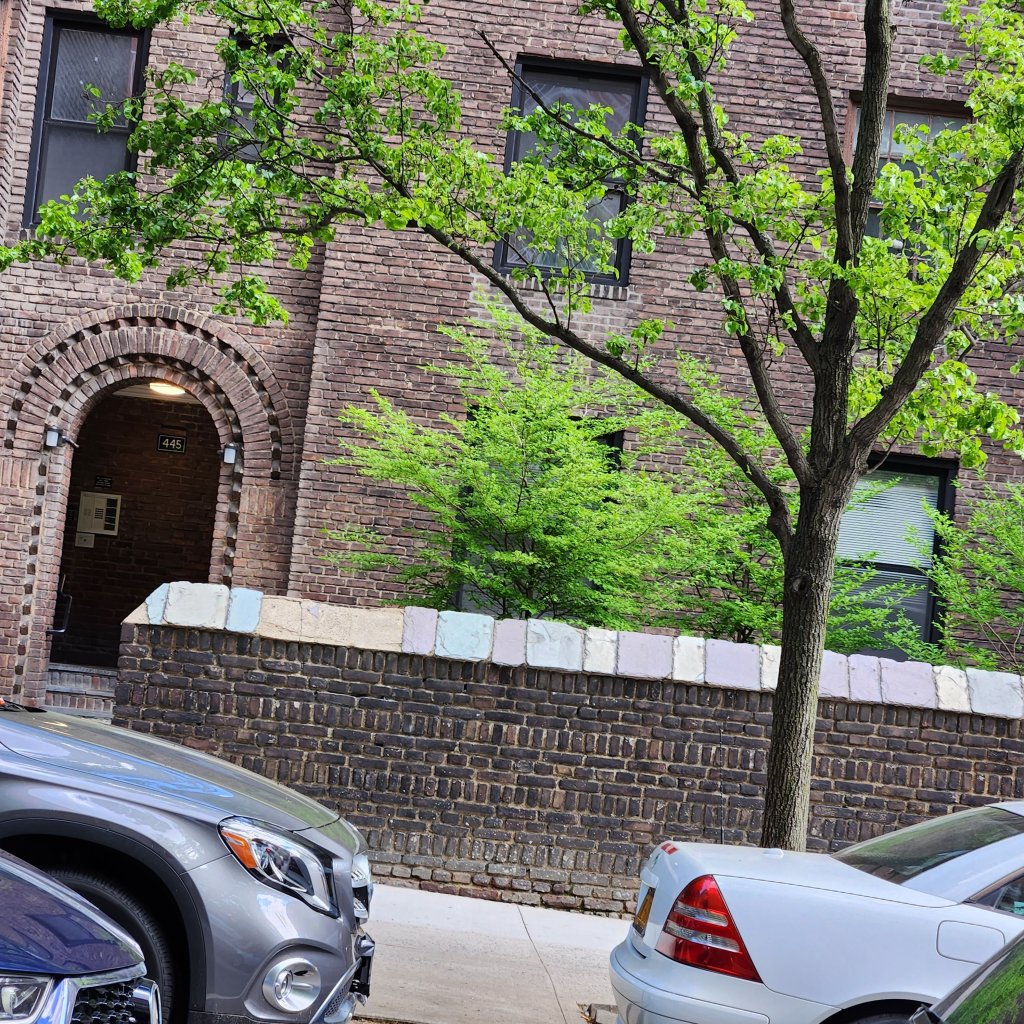
Old buildings hold history in their walls and hallways. They are full of memories. They can be charming reminders of how our city has changed.
Ours is a dynamic city.
Change is its only constant. Progress has brought lots of improvements in our way of living and to our style of life.
Old buildings can’t keep up with those changes and improvements.
Obviously, all of us won’t all live in modern apartments with brand new amenities.
Housing stock won’t all be replaced by newly constructed state of the art buildings.
Some of us like the quirky spaces older buildings offer us. We choose to live in walk-ups or 100 year old town houses.
Some of these residencies suit their tenants to a T. Some are less than optimum living quarters.
How do I define less than ideal apartments?
Pokey floor plans qualify. So do drafty windows. Of course, you may find these quaint.
The rationale behind landmarking old dwellings is that they are part of the historic record of our city.
Building anew wipes out the history.
So then how to preserve the past and its lessons and examples while giving everyone adequate up-to-the-minute accommodations?
On the subject or question of turning less than ideal homes into landmarks, my solution would be to take a small sample, aka one, and preserve it.
Since no changes are tolerated in property that is landmarked, let the landlord develop or improve the rest.
Modern fixtures and high-tech living are the upgrade to creaky and outdated. Maybe we all deserve that kind of change.

 Walk with Me, Too